

Google's Discover guidance, last updated March 9, 2026, makes a key point easy to miss: Discover eligibility starts with indexed, policy-compliant content, not a phrase formula. For WordPress teams, the practical problem is editorial shape. A post has to make a clear promise, show why it deserves attention, and package the evidence without turning the page into a keyword container.
What Google Actually Says
Google says content is automatically eligible for Discover when it is indexed and meets Discover content policies, but it also says eligibility is not a guarantee. The same guidance ties performance to helpful, people-first signals, useful titles, timely or insightful work, relevant large images, and a page experience that does not confuse readers.
That is a different operating model from classic query capture. Search can reward a page that cleanly answers a known query. Discover has to decide whether a page belongs in an interest feed before the reader has searched. The preview has to be accurate enough to trust and specific enough to stop the thumb.
Keyword Stuffing Is the Wrong Shortcut
Google's May 2026 spam policies define keyword stuffing as filling a page with keywords or numbers to manipulate rankings, especially when those terms appear u naturally or out of context. That should end the idea that repeating “Google Discover WordPress SEO” across titles, intro text, alt text, and subheads creates a Discover strategy.
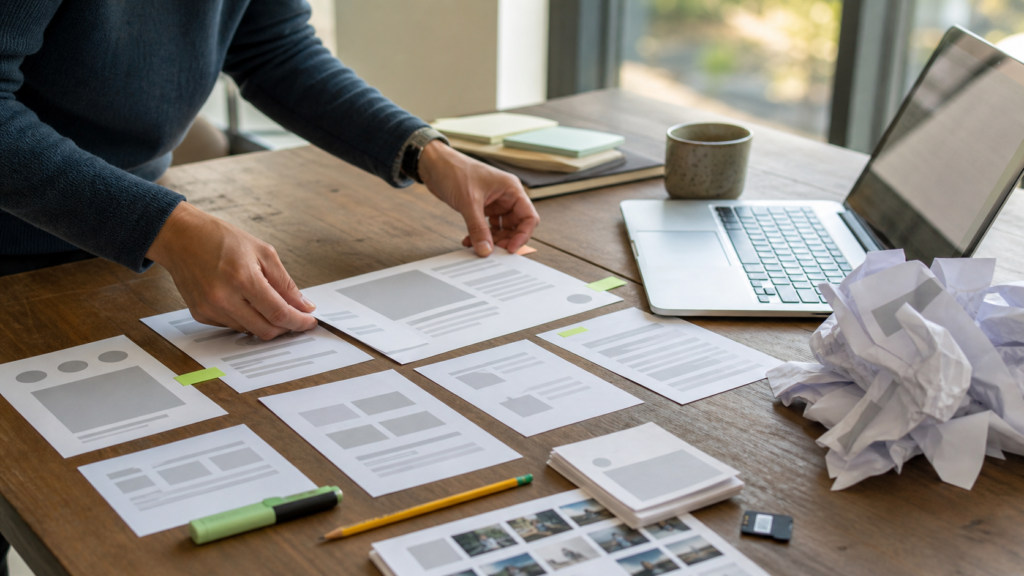
Keywords still matter as language. Editors need the words readers would use to understand the subject. The mistake is treating them as decoration. A stuffed article usually exposes its weakness early: the title says the same thing three ways, the lead restates the title, and the body never earns the click it asked for.
Editorial Shape Is the Discover Unit
Editorial shape is the visible form of judgment. It is the headline, deck, image, byline, source trail, paragraph order, and reason for publishing. It answers the reader's first questions: what is this, why should I care, who is telling me, and what will I understand after I finish?
For WordPress operators, that means Discover readiness belongs in the editorial workflow, not in a plugin-style final sweep. The brief should carry the angle, the evidence, the reader problem, the expected image, and the promise the headline can safely make. If those pieces are missing, keyword tuning only polishes a weak page.
WP Post AI can plan briefs, draft source-backed posts, suggest links, and prepare WordPress metadata, but the editorial judgment still has to be present in the inputs. The model can help assemble shape. It ca not decide, by itself, whether the page deserves a reader's attention in a personal feed.
Titles Should Promise, Not Perform
Google's title link guidance says title text should be descriptive and concise, and it specifically warns against keyword stuffing and boilerplate repetition. Discover raises the cost of vague titles because the headline is not merely matching a query. It is asking for a discretionary click.
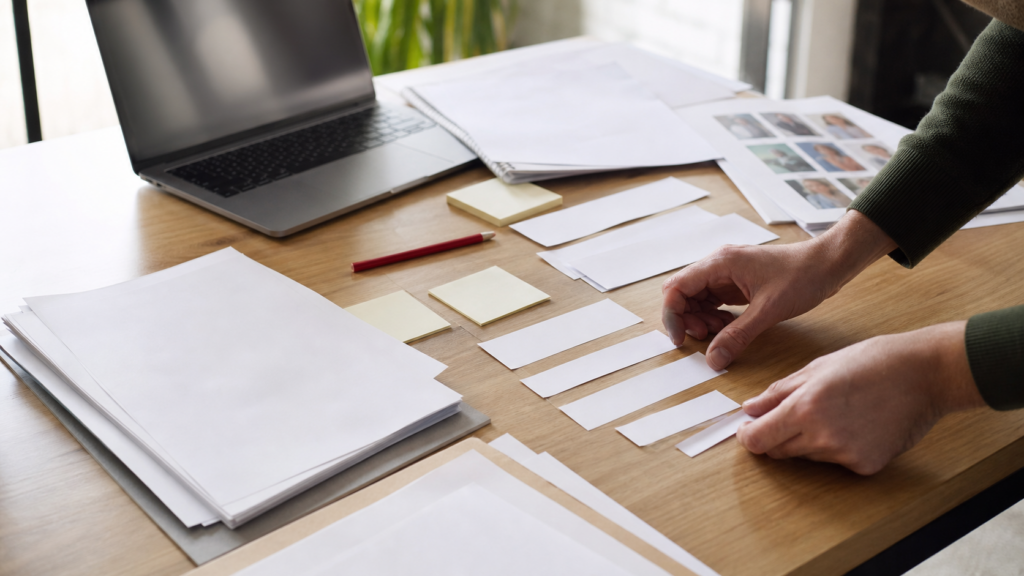
A good Discover-ready title creates tension without hiding the premise. “Google Discover Rewards Editorial Shape” is better than “Google Discover SEO Tips, Google Discover Optimization, Discover Traffic Guide” because it tells the reader what the argument is. The first title has a point of view. The second has anxiety.
The same rule applies to decks and meta descriptions. They should not repeat every entity in the post. They should make the angle legible. If the article is about why keyword stuffing fails, the preview should say what works instead: evidence, packaging, authorship, image quality, and reader intent.
Images Carry the Editorial Promise
Discover is visual, so the featured image ca not be an afterthought. Google's image SEO guidance says the same general recommendations apply across Search result images, Discover, and Google Images, and it emphasizes standard HTML image elements, quality, relevance, representative metadata, and descriptive alt text.
The operational takeaway is simple: choose an image that helps the reader understand the page before the headline has done all the work. Use a large, relevant, landscape-safe image. Avoid generic logos, stock metaphors, and text-heavy graphics. Write alt text for the image, not for a keyword list.
For agency and product-led teams, this changes the brief. The image should be specified before publication day, not hunted after the draft is approved. If the only available visual is a keyword cloud, the article probably does not yet have enough editorial substance.
Discover presentation also depends on the selected asset surviving the publishing handoff. The WordPress image workflow record explains what must remain attached to each generated image.
Discussion
Join the discussion
Useful notes, corrections, and field experience belong here. Keep replies specific and constructive.