
All known PHP 8.6 core compatibility issues were resolved as of WordPress 7.2 Beta 5, the project said November 23. WordPress 7.2 remains prerelease software, with core fixes covering fonts, storage and image handling.
The distinction is between WordPress itself and the extensions running alongside it. PHP 8.6 compatibility is in place for the WordPress 7.2 release cycle, Codeytek reported November 23. Plugins that copied older image-flipping code may still break, RescuePHP reported November 21.
Fonts and Storage Have Different Failure Modes
PHP 8.6 identifies TrueType fonts as font/ttf instead of font/sfnt. WordPress accepts both, preserving compatibility, but extension code that recognizes only the older MIME type needs a corresponding change.
Custom stream wrappers face a different issue: PHP 8.6 treats a missing stream_flush() method as a failed flush. An image save can therefore return image_save_error after the data has been written. Local filesystem saves are unaffected.
Custom stream wrappers in plugins also need a stream_flush() method to avoid failed-flush results.
Image Fixes Can Leave Copied Code Behind
WordPress replaces negative-dimension GD image flips with imageflip(), avoiding black images, including automatically flipped JPEG uploads with EXIF orientations 2, 3 or 4.
Plugins could retain the former flipping pattern after core switched implementations, contributors noted in their November 20 discussion summary. Contributors expressed confidence in core while treating extension readiness as a separate concern.
That creates a practical boundary: changing a shared implementation fixes the callers using it, while copied implementations retain their own behavior. A plugin's image-processing path can therefore matter as much as the WordPress version underneath it.
Plugin Checks Extend Beyond Images
Nearly 9,000 occurrences of spl_object_hash() appear across more than 2,300 plugins, according to WordPress, which recommends replacing the function with spl_object_id(). The replacement function has a different return type. This adds another concrete extension review task alongside font identification, custom storage and image flipping, even where a site's visible uploads appear to work.
PHP 8.6 PHPUnit jobs stopped being allowed to fail on November 10, WordPress Developer Blog commenter Jonathan Desrosiers said November 19. Compatibility reviews also cover build and test tooling and bundled dependencies, according to the WordPress Developer Blog. Passing core tests therefore addresses only part of the work facing extension developers.
WordPress 7.2 Compatibility Precedes the Final Release
Beta 5 was announced November 10, with the known PHP 8.6 issues already resolved. The November 23 update followed Beta 5's November 10 release.
WordPress subsequently announced Release Candidate 1 on November 17, targeting December 8 for the final release. The release candidate remains development software and is not recommended for production or mission-critical websites, WordPress said.
This prerelease work serves a different purpose from the WordPress 7.1.5 security update, released November 18 with an immediate-update recommendation. One addresses compatibility preparation for the next major version; the other patches security flaws in the existing release.
WordPress 7.2 retains PHP 7.4 as its minimum requirement. Sites, plugins and themes require separate PHP 8.6 compatibility checks even after core compatibility issues are resolved. That distinction also matters when copying a WordPress site: moving it does not establish compatibility with a different PHP version. WordPress recommends PHP 8.6 testing with WP_DEBUG and WP_DEBUG_LOG enabled and WordPress 7.2 or later as the test-suite target.
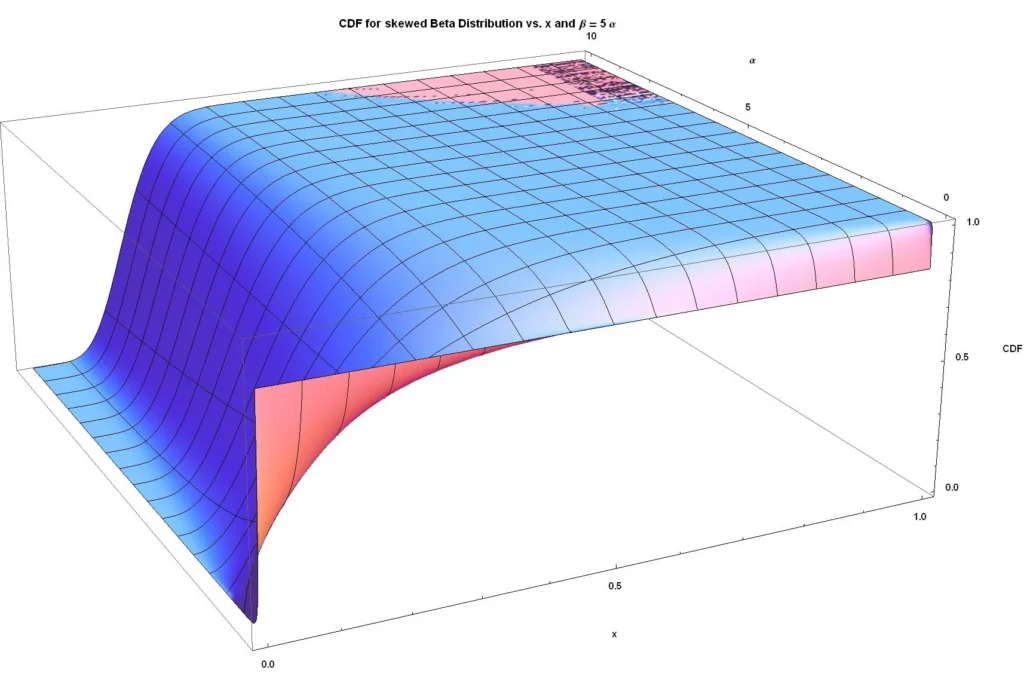
Photo: CDF for skewed Beta distribution vs. x and beta= 5 alpha - J. Rodal by Dr. J. Rodal (CC BY-SA 3.0), via Wikimedia Commons.

Discussion
Join the discussion
Useful notes, corrections, and field experience belong here. Keep replies specific and constructive.